Lesson Slideshow Section 01
Unit Summary Section 02
Key Concepts
Specific Energy, Energy Density, Carbon Footprint, Fossil Fuels vs Renewables
Learning Objectives
Evaluate chemical energy sources, fossil fuels, and the development of alternative bio-fuels and fuel cells.
Prior Knowledge Needed
Enthalpy of combustion, stoichiometry (R1.1)
IB Syllabus Reference
R1.1
Interactive Study Guide
Click here to view the full, detailed topic summary for this unit.
29
Cu
63.546
Video Lesson Section 03
Video Instruction
1 Lessons Available
Biofuels and Fuel Cells
Practice Quiz Section 04 · Interactive
10
Ne
20.180
Vocabulary Review Section 05
Primary Cell
Non-rechargeable cell

Secondary Cell
A cell that can be recharged

Fuel Cell
An electrical-chemical device that converts fuel, such as hydrogen, into an electrical current.
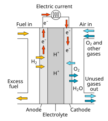
Hydrogen Fuel Cell
a cell that generates electricity from a controlled reaction between hydrogen and oxygen
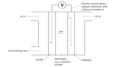
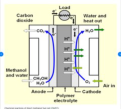
Reformed Methanol Fuel Cell
This type of fuel cell using methanol as a fuel for storage and transport, but it is then reformed into hydrogen gas and carbon dioxide before being used in a hydrogen fuel cell.

Direct Methanol Fuel Cell
Converts methanol directly into electricity in a fuel cell.
renewable energy sources
energy such as solar energy, wind energy, and hydroelectric energy derived from essentially inexhaustible sources

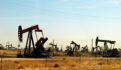
non-renewable energy sources
fossil fuels as coal, oil and natural gas as well as nuclear fuels - limited supply will run out and have negative environmental impacts
specific energy of a fuel
the ratio of the energy released from the fuel to the mass of the fuel consumed

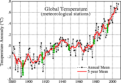
global warming
a gradual increase in the overall temperature of the earth's atmosphere generally attributed to the greenhouse effect caused by increased levels of carbon dioxide, chlorofluorocarbons, and other pollutants.
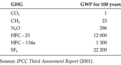
Global Warming Potential (GWP)
a number that represents the relative contribution of a molecule of the atmospheric gas to global warming
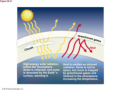
greenhouse gas
Gases such as carbon dioxide, methane, nitrous oxide, water vapor, and ozone in the atmos- phere which are involved in the greenhouse effect.
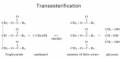
biodiesel
A diesel substitute produced through the transesterification of vegetable oil using alcohols such as methanol or ethanol.
energy density
energy released from fuels per volume of fuel consumed
26
Fe
55.845
Revision Notes Section 06
79
Au
196.967
Practice Tests Section 07
Topic-Based Assessments
Paper 1A: MCQ Practice
PDF
Paper 1B: Data & Experiments
PDF
Paper 2: Short Response
PDF
Official Markscheme
PDF
17
Cl
35.45
Assignments & Labs Section 08