Understanding Groups: Columns of the Periodic Table
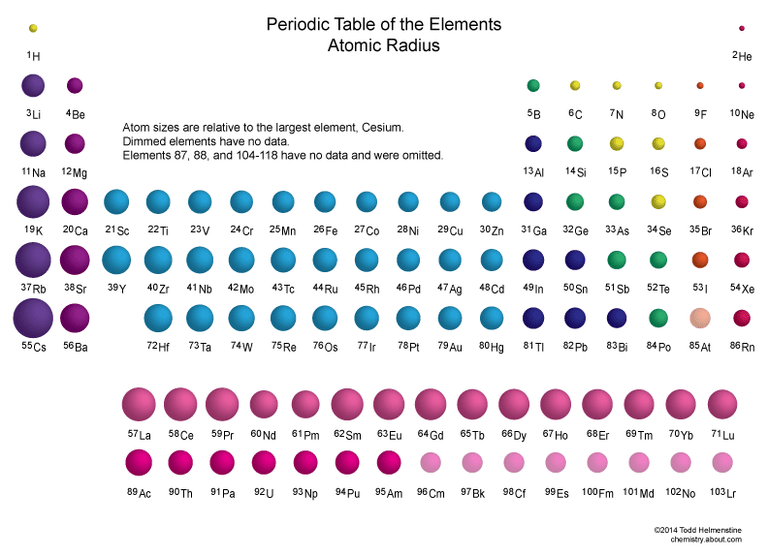
The periodic table organizes elements based on their atomic number and recurring chemical properties. Three particularly important groups for study in IB Chemistry are Group 1 (the alkali metals), Group 17 (the halogens), and Group 18 (the noble gases). These groups exhibit distinct trends in their physical and chemical characteristics due to their electron configurations.
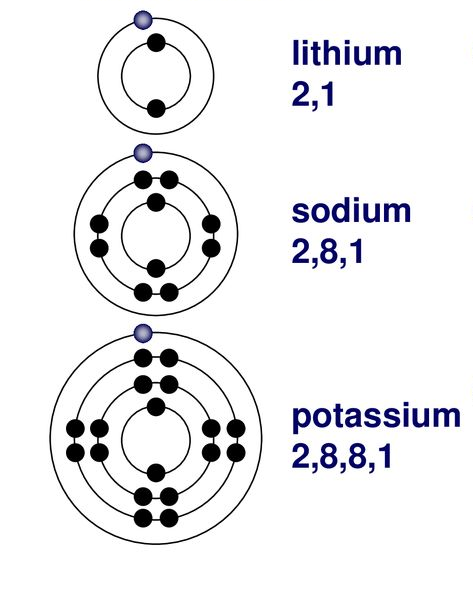
Group 1 elements, known as the alkali metals, are highly reactive metals characterized by having a single valence electron in their outermost shell. This electron is easily lost, leading to the formation of a +1 ion. The elements in this group are:
| Li |
| Na |
| K |
| Rb |
| Cs |
| Fr |
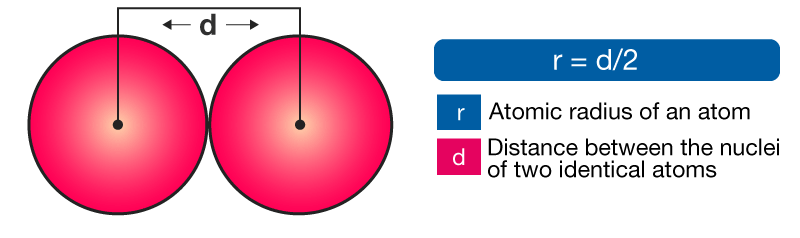
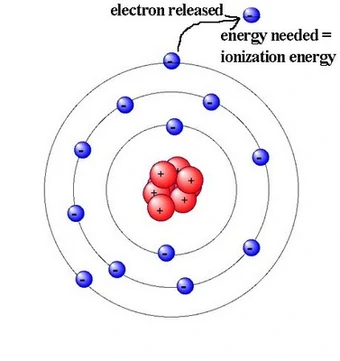
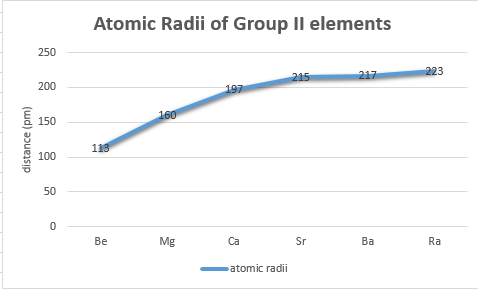
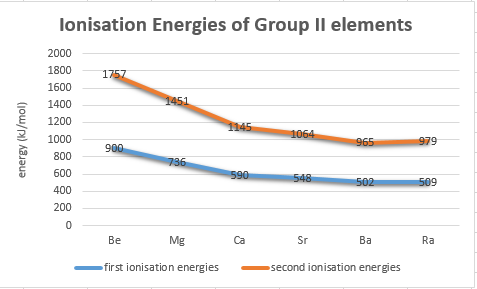
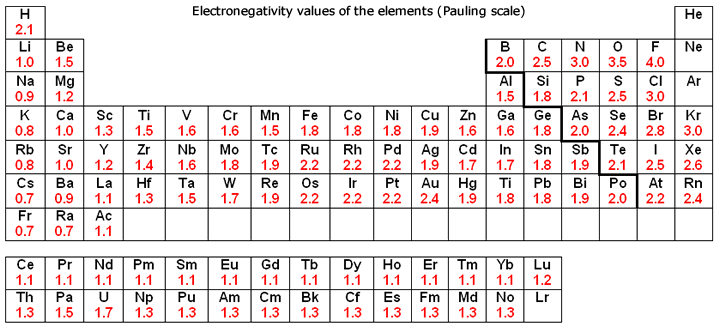
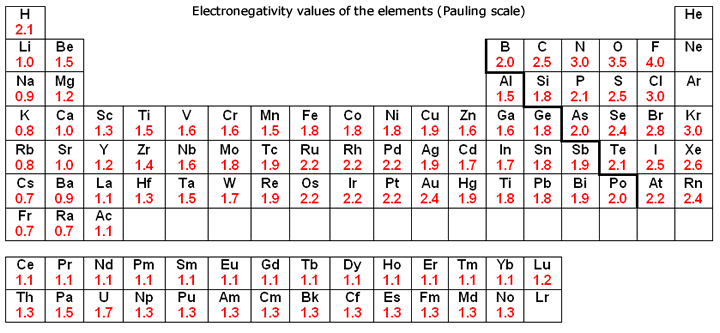
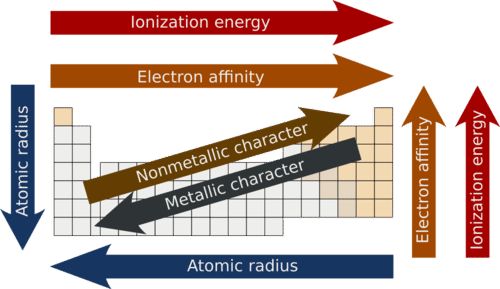
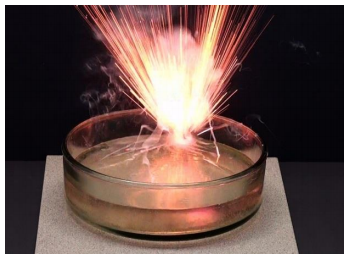
As one moves down Group 1, the atomic radius increases, the first ionization energy decreases, and the electronegativity decreases. These trends contribute to the increasing reactivity of the alkali metals down the group, as the outermost electron is further from the nucleus and more easily removed.
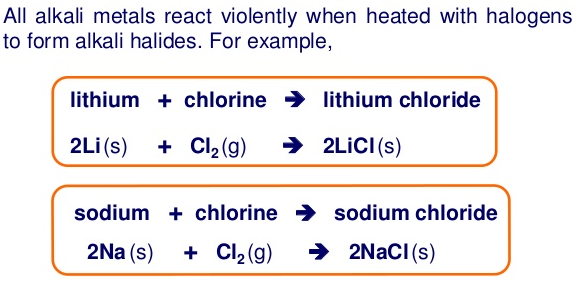
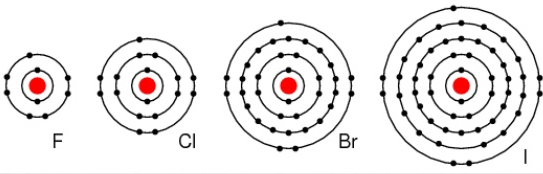
Group 17 elements are known as the halogens, a term derived from Greek meaning "salt-forming." These non-metals are highly reactive, possessing seven valence electrons, and readily gain one electron to achieve a stable octet, forming a -1 ion. The elements in this group are:
| F |
| Cl |
| Br |
| I |
| At |
Moving down Group 17, the atomic radius increases, the electronegativity decreases, and the reactivity generally decreases. This is because the increasing atomic size means the incoming electron is further from the nucleus, experiencing less attraction, making it harder to gain an electron. Halogens exist as diatomic molecules (e.g., F2, Cl2) in their elemental form.
Group 18 elements are the noble gases, characterized by their exceptional stability and very low reactivity. This inertness is due to their full outermost electron shells, which means they have a stable octet (or duet for helium) and no strong tendency to gain, lose, or share electrons. The elements in this group are:
| He |
| Ne |
| Ar |
| Kr |
| Xe |
| Rn |
Noble gases exist as monatomic gases at standard temperature and pressure. Their boiling points and melting points are very low, increasing slightly down the group due to increasing London dispersion forces as the atomic size and number of electrons increase.
| Species | Protons | Electrons | Electron Shells |
|---|---|---|---|
| Cl | 17 | 17 | 3 |
| Cl- | 17 | 18 | 3 |


| Property | Across periods | Down groups |
|---|---|---|
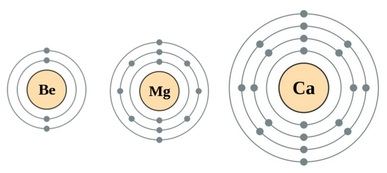
| Atomic Radius | Decreases | Increases |
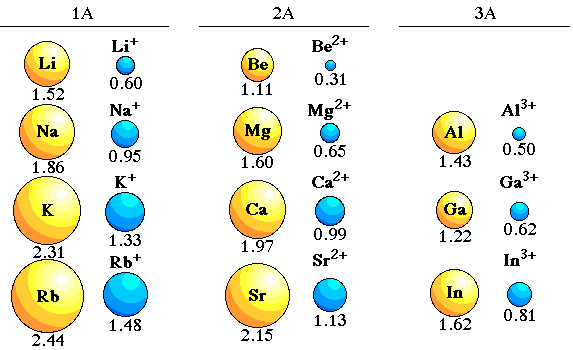
| Ionic Radius | Decreases (for cations), then increases (for anions), then decreases | Increases |
| Electronegativity | Increases | Decreases |
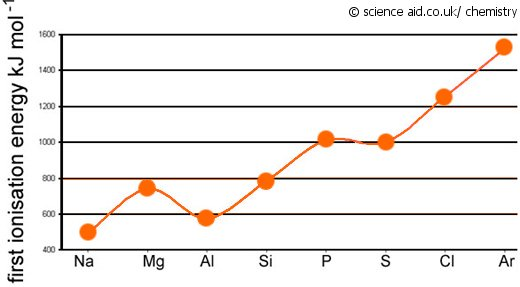
| Ionisation Energy | Increases | Decreases |
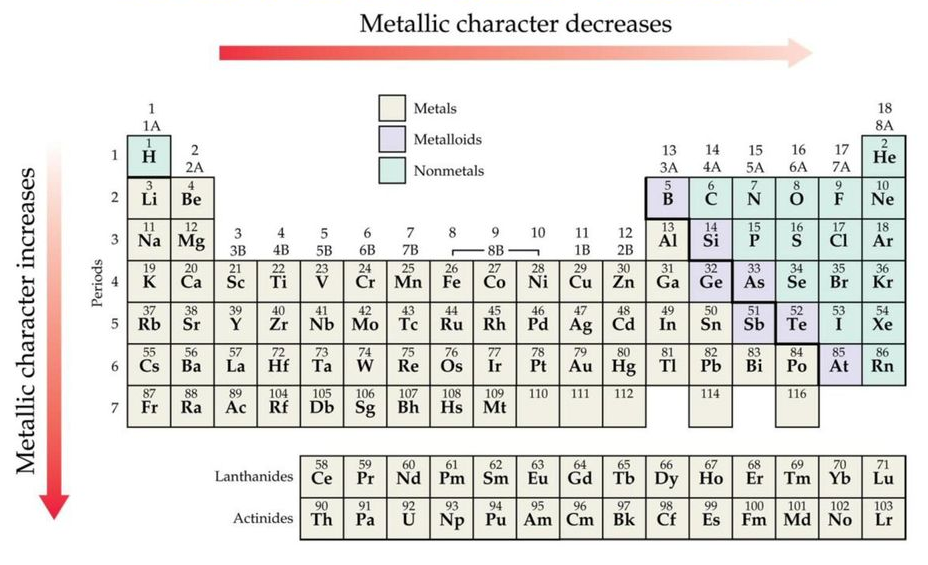
| Metallic character | Decreases | Increases |

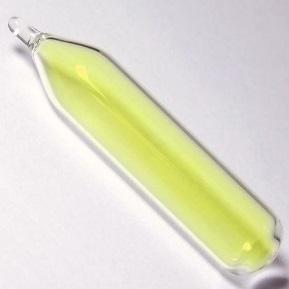
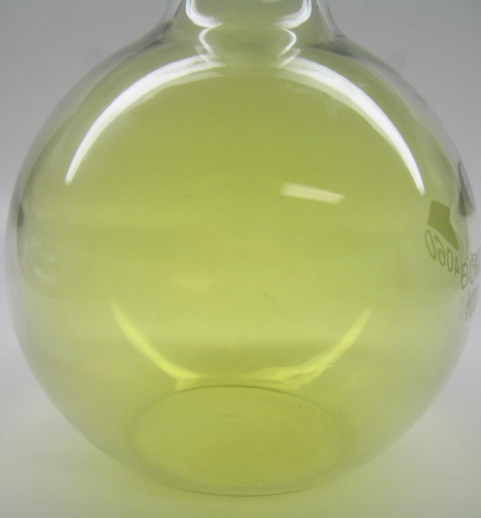
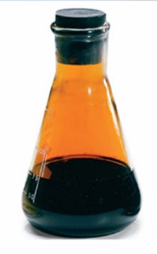
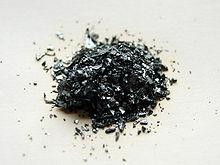
| Halogen | Physical properties at room temperature |
|---|---|
| Fluorine | Pale yellow, gas at room temperature, pungent odor, density: 1.696 g/L |
| Chlorine | Yellow-green, gas at room temperature, pungent odor, density: 3.214 g/L |
| Bromine | Reddish-brown, liquid at room temperature, irritating odor, Density: 7.14 g/L |
| Iodine | Violet-black, non-metallic solid at room temperature, Density: 4930 g/L |