IB Chemistry Study Summary

Equilibrium

1
The Equilibrium State
Diagram

Introduction to the Equilibrium State

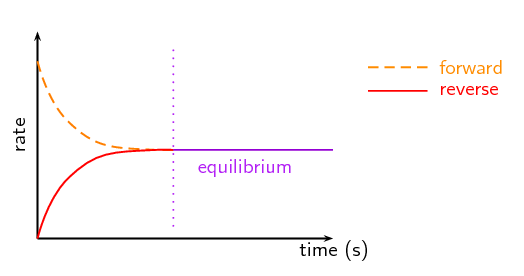
The study of chemical equilibrium is fundamental across various scientific disciplines, playing a crucial role in optimizing industrial processes to maximize product yield. Beyond industrial applications, understanding equilibrium is vital in biochemical contexts, such as predicting the solubility of gases in blood. In environmental science, it helps explain how chemicals react in the atmosphere to form pollutants and elucidates the relationship between water vapor and precipitation under varying temperatures and pressures. Fundamentally, the equilibrium state is achieved when the rates of the forward and reverse reactions become equal.
Diagram

Physical Equilibrium

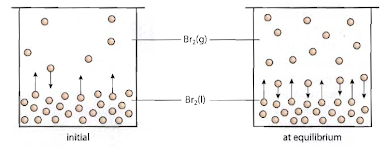
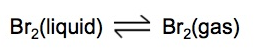
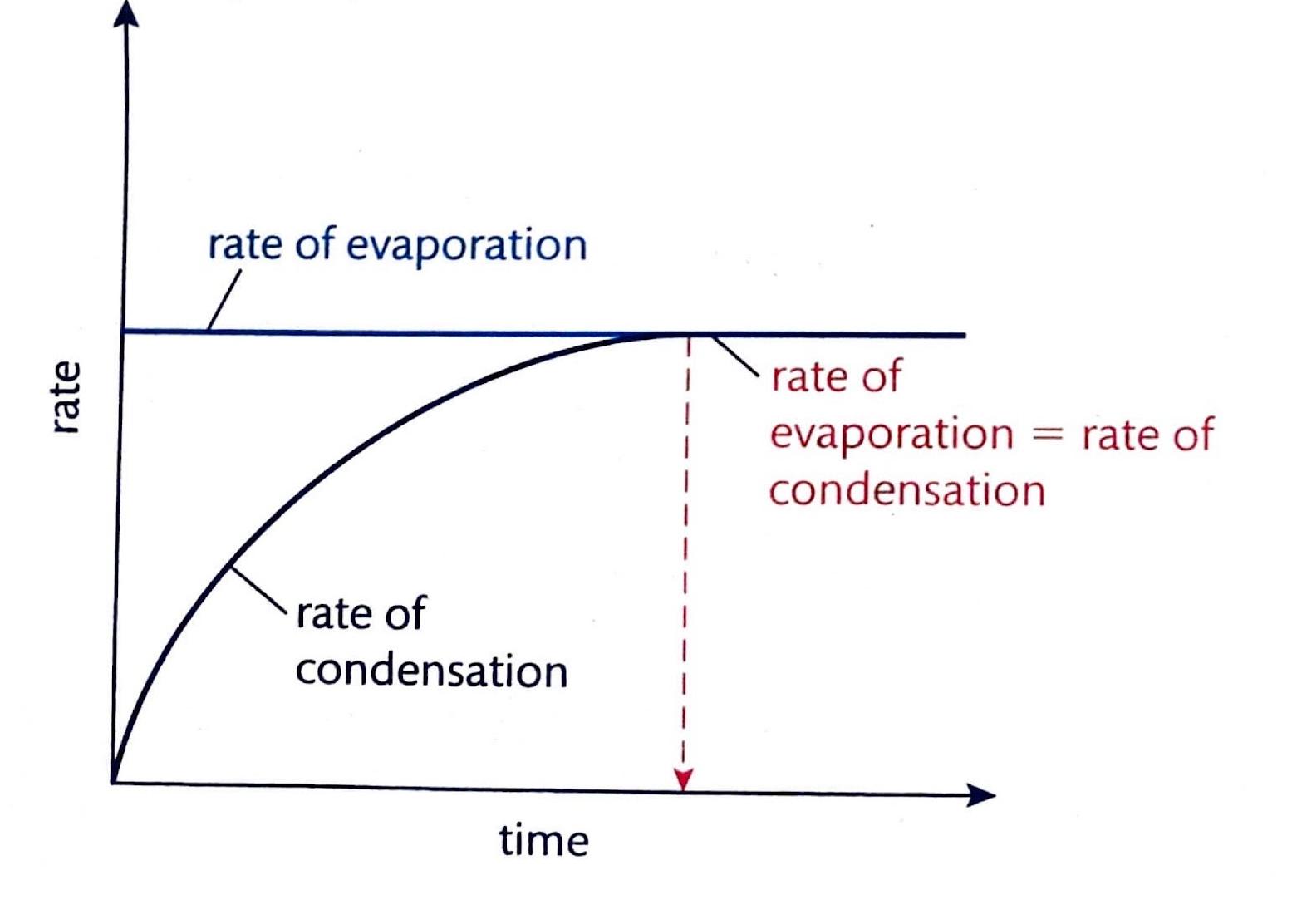
Physical equilibrium is a state that can only be observed in a closed system. This type of equilibrium occurs when two different physical states of the same substance coexist and are in balance. A common example is the equilibrium between liquid water and water vapor in a sealed container, where the rate of evaporation equals the rate of condensation.
Diagram
Diagram

Chemical Equilibrium

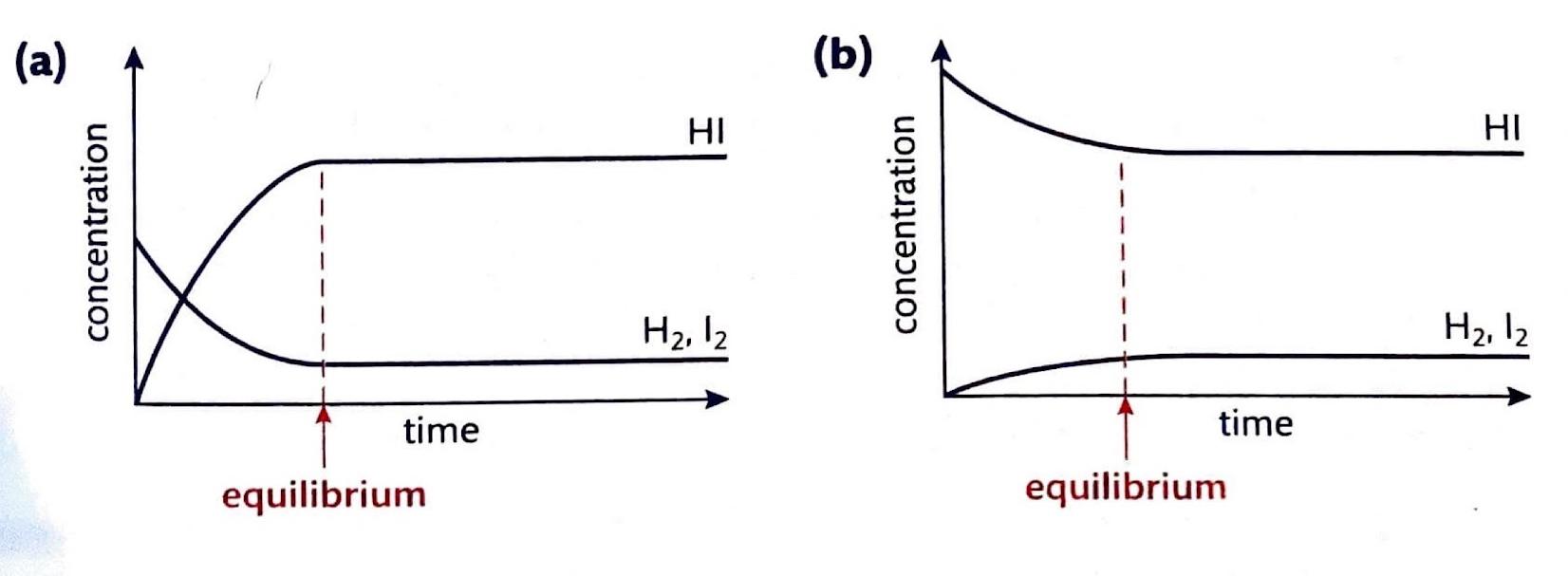
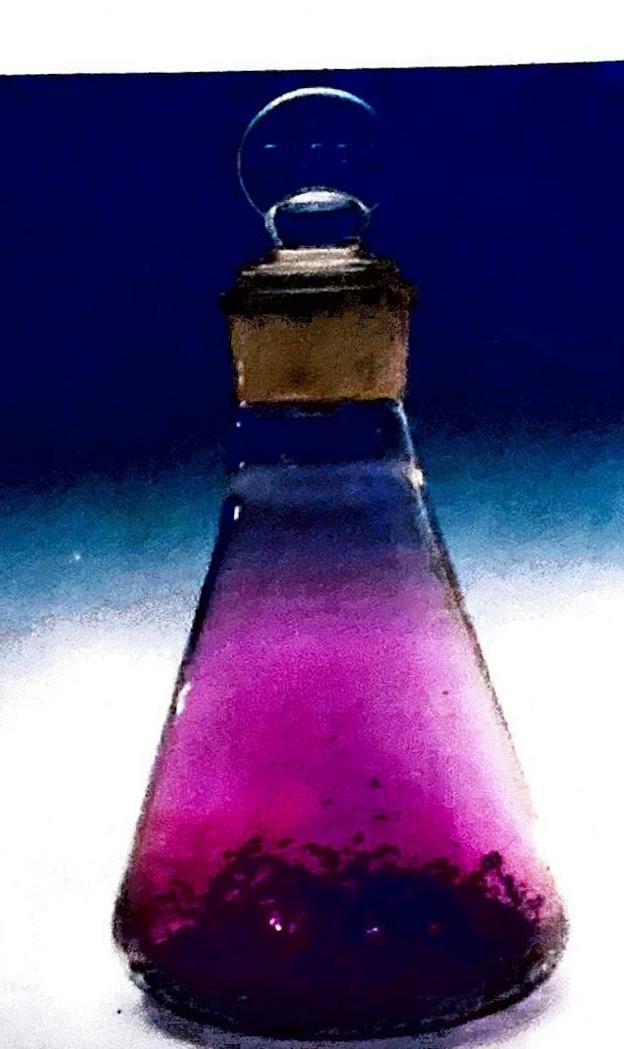
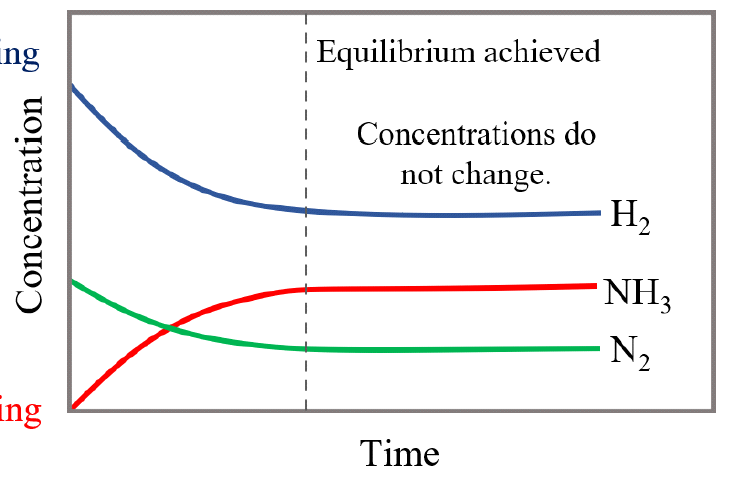
Chemical equilibrium is attained when a chemical reaction reaches a state where the concentrations of reactants and products remain constant over time. This is known as a dynamic equilibrium, meaning that while the macroscopic properties of the system appear static, the forward and reverse reactions are still occurring at equal rates. It is important to note that at equilibrium, the concentrations of reactants and products do not necessarily have to be equal; rather, they are constant. For instance, in the reaction between hydrogen and iodine to form hydrogen iodide, H2(g) + I2(g) ⇌ 2HI(g), hydrogen and hydrogen iodide are colorless, but iodine gas is purple. As the reaction proceeds towards equilibrium, the purple color of iodine will stabilize, indicating that its concentration, and thus the concentrations of the other species, has become constant.

Diagram
Diagram
Diagram

Reversible vs. Non-reversible Reactions

Chemical reactions can be categorized as either reversible or non-reversible, depending on whether the products can revert back to reactants under suitable conditions.

Diagram
Diagram


Diagram


  The key distinctions between these two types of reactions are summarized in the table below:
Reversible Reaction Non-reversible Reaction
It can be reversed under suitable conditions. It cannot be reversed (products can not change back into reactants).
Both forward and reverse reactions take place simultaneously (indicated by equilibrium arrows). Unidirectional. It proceeds only in forward direction (indicated by unidirectional reaction arrow).
Attains equilibrium. Equilibrium is not attained.
The reactants cannot be converted completely into products. The reactants can be converted completely into products.
It is relatively slow. It is fast.

Summary of the Equilibrium State

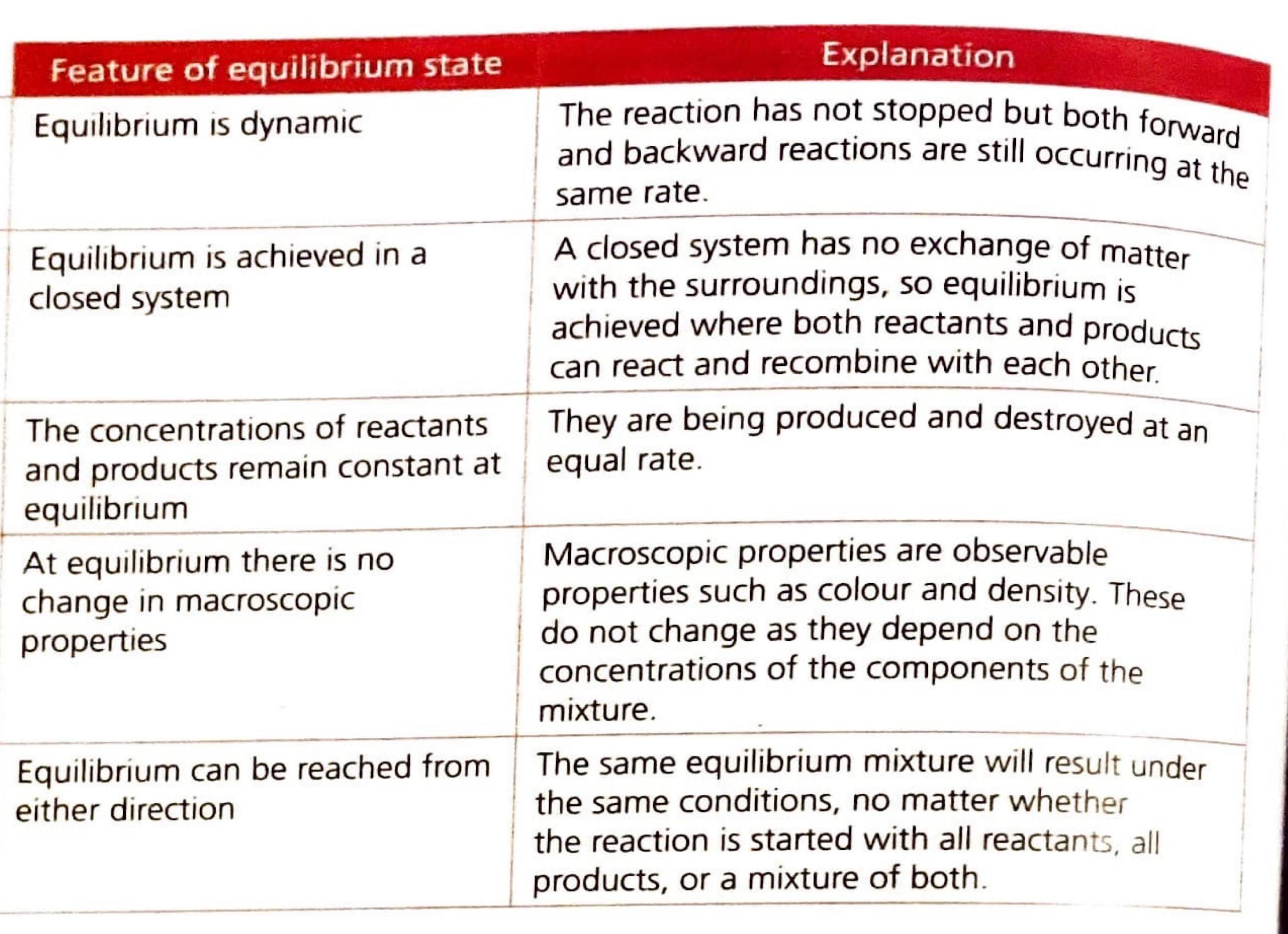
In summary, the equilibrium state, whether physical or chemical, represents a dynamic balance where opposing processes occur at equal rates, leading to constant macroscopic properties. This fundamental concept is critical for understanding and predicting the behavior of systems in various scientific and industrial contexts.
Diagram
2
Le Chatelier's Principle

Understanding Le Chatelier's Principle

Le Chatelier's Principle states that if a change of condition is applied to a system in equilibrium, the system will shift in a direction that counteracts the applied change, thereby establishing a new equilibrium. This principle allows us to qualitatively predict the effects of various changes on an equilibrium system. While a new equilibrium will eventually be established, the concentrations of reactants and products will differ from the initial equilibrium mixture.

The Impact of Concentration Changes on Equilibrium

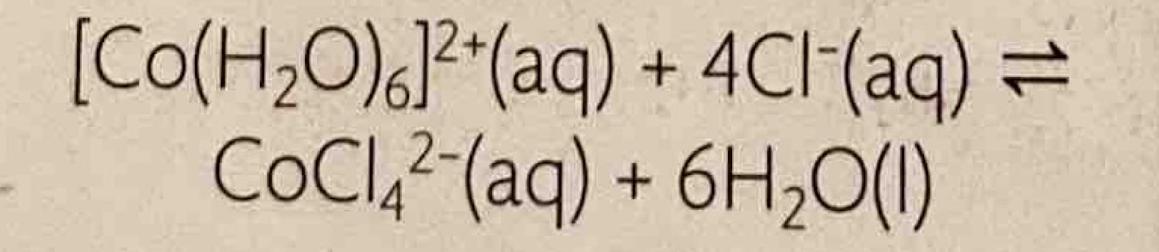
Changes in the concentration of reactants or products significantly influence the position of equilibrium. For instance, consider the equilibrium involving cobalt complexes:
 [Co(H2O)6]2+ (aq) (pink) + 4Cl- (aq) ⇌ [CoCl4]2- (aq) (blue) + 6H2O (l)
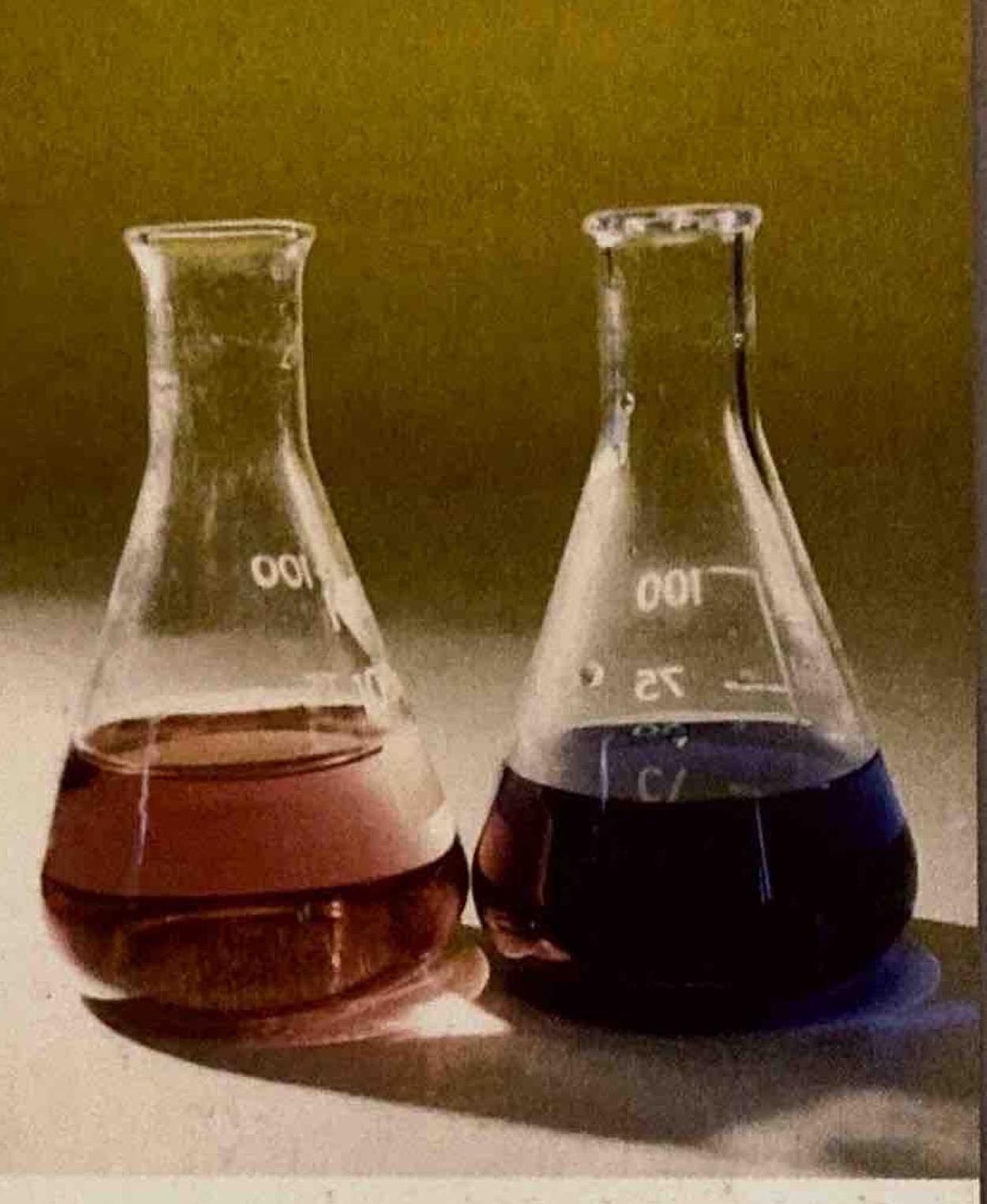
 If the concentration of [CoCl4]2- ions increases, the solution will turn blue, indicating a shift towards the products. Conversely, adding water (H2O) to this system would dilute the chloride ions and shift the equilibrium to the left, favoring the formation of the pink [Co(H2O)6]2+ complex. This principle is utilized in industrial applications, such as using cobalt chloride to test for the presence of water, as the color change provides a clear indication. Generally, increasing the concentration of a substance will cause the equilibrium to shift to consume the excess, while removing a substance will cause the equilibrium to shift to produce more of it. 
Diagram
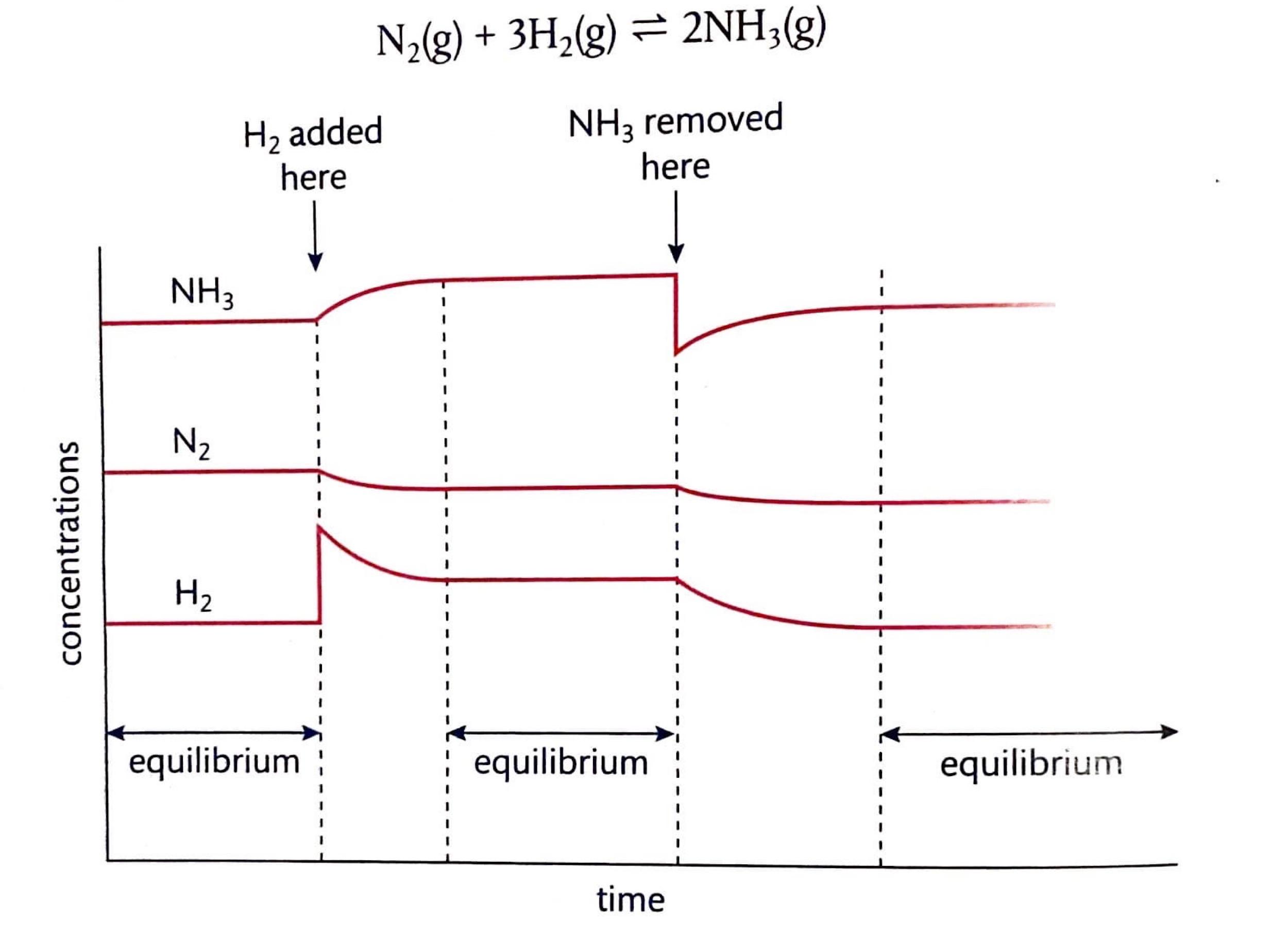
Let's consider another example, the Haber-Bosch process for    ammonia synthesis:
Diagram

 N2 (g) + 3H2 (g)  2NH3 (g)
 When hydrogen (H2) is added to this system, the equilibrium shifts to the right, producing more ammonia (NH3). This shift is accompanied by a decrease in the concentrations of N2 and H2 in a 1:3 ratio, and an increase in the concentration of NH3 in a 2:1 ratio relative to N2. The new equilibrium will have a higher concentration of products. Similarly, if ammonia (NH3) is removed from the system, the equilibrium will also shift to the right to replenish the product. In industrial settings, continuously removing the product as it forms is a common strategy to maximize the yield of the desired substance.
Diagram

The Influence of Pressure Changes on Gaseous Equilibria

Changes in pressure primarily affect equilibrium systems involving gases. There is a direct relationship between the number of gas molecules and the pressure they exert in a fixed volume. When the pressure of a gaseous equilibrium system is increased, the system will attempt to counteract this change by shifting towards the side of the reaction with a smaller number of gas molecules. This reduces the total number of gas particles, thereby decreasing the pressure. Conversely, decreasing the pressure will cause the equilibrium to shift towards the side with a greater number of gas molecules to increase the pressure.
 Consider the following reaction: N2 (g) + 3H2 (g) ⇌ 2NH3 (g) In this reaction, there are four moles of gas on the reactant side (1 mole N2 + 3 moles H2) and two moles of gas on the product side (2 moles NH3). Increasing the pressure will shift the equilibrium to the right, favoring the formation of ammonia, as this side has fewer gas molecules. While increasing pressure also increases the rate of both forward and reverse reactions, its effect on the equilibrium position is determined by the stoichiometry of the gaseous reactants and products. If the number of gas molecules is the same on both sides of the equation, a change in pressure will not affect the equilibrium position, although it will still increase the reaction rates.
Diagram

The Effect of Temperature Changes on Equilibrium

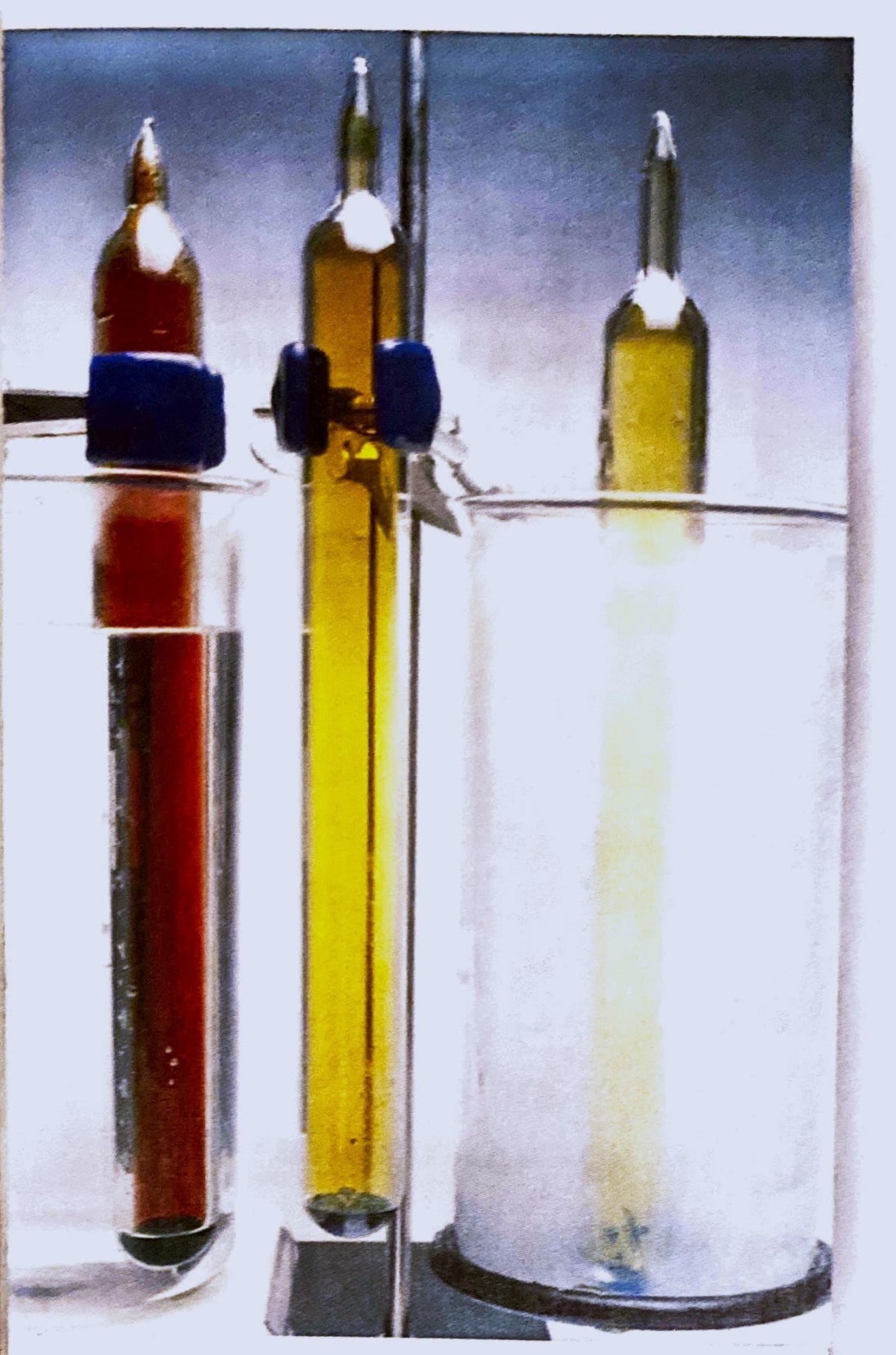
Temperature changes have a significant impact on the position of equilibrium, as they directly affect the energy balance of the reaction. The sign of the enthalpy change (ΔH) indicates whether a reaction is endothermic (ΔH > 0, absorbs heat) or exothermic (ΔH < 0, releases heat). If the temperature of an equilibrium system is increased, the system will shift in the endothermic direction to absorb the added heat and counteract the temperature rise. Conversely, if the temperature is decreased, the system will shift in the exothermic direction to release heat and counteract the temperature drop. Consider the equilibrium between dinitrogen tetroxide and nitrogen dioxide: N2O4 (g) (colorless) $\rightleftharpoons$ 2NO2 (g) (brown) ΔH > 0 (endothermic) Since this reaction is endothermic in the forward direction, heating the reaction mixture will cause the equilibrium to shift to the right, producing more brown NO2. Conversely, cooling the reaction mixture will cause the equilibrium to shift to the left, favoring the formation of colorless N2O4, as the reverse reaction is exothermic.
Diagram

The Role of a Catalyst in Equilibrium

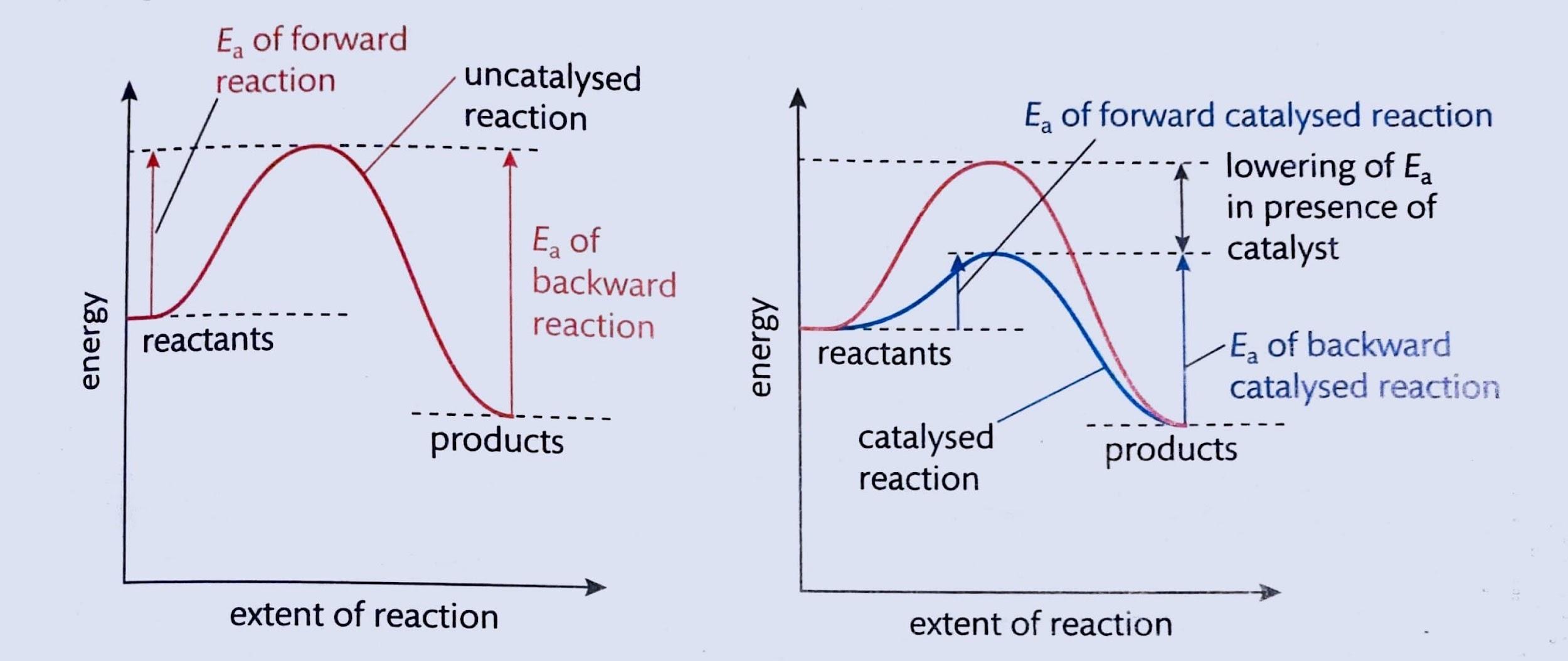
A catalyst functions by lowering the activation energy for both the forward and reverse reactions equally. It achieves this by providing an alternative reaction pathway with a lower activation energy. While a catalyst significantly increases the rates of both the forward and reverse reactions, it does so by the same factor. Consequently, the addition of a catalyst has no effect on the position of equilibrium; it merely allows the system to reach equilibrium more quickly.

Summary of Le Chatelier's Principle

The following table summarizes the effects of various changes on the position of equilibrium:
Change Shift in Equilibrium
Increase concentration of reactant Towards products
Decrease concentration of reactant Towards reactants
Increase concentration of product Towards reactants
Decrease concentration of product Towards products
Increase pressure (gases only) Towards side with fewer moles of gas
Decrease pressure (gases only) Towards side with more moles of gas
Increase temperature (endothermic reaction) Towards products
Increase temperature (exothermic reaction) Towards reactants
Decrease temperature (endothermic reaction) Towards reactants
Decrease temperature (exothermic reaction) Towards products
Addition of catalyst No change
Diagram
3
Kc, Q, and Extent of Reaction

Defining the Equilibrium Constant (Kc)

The equilibrium constant, Kc, is a fundamental value that quantifies the relationship between the concentrations of products and reactants once a reversible reaction has reached equilibrium. For a generic reversible reaction: aA + bB ⇌ cC + dD The equilibrium constant expression is defined as: Kc = ([C]c[D]d) / ([A]a[B]b) Here, the square brackets denote the equilibrium molar concentrations of each species. It is crucial to remember that product concentrations are always placed in the numerator, while reactant concentrations are in the denominator. Each concentration term is raised to the power of its corresponding stoichiometric coefficient from the balanced chemical equation. If there are multiple reactants or products, their respective terms are multiplied together. Kc is a fixed value for a given reaction at a specific temperature, and it is considered a thermodynamic quantity representing 'activity', meaning it is dimensionless and has no units.

Illustrating the Equilibrium Constant

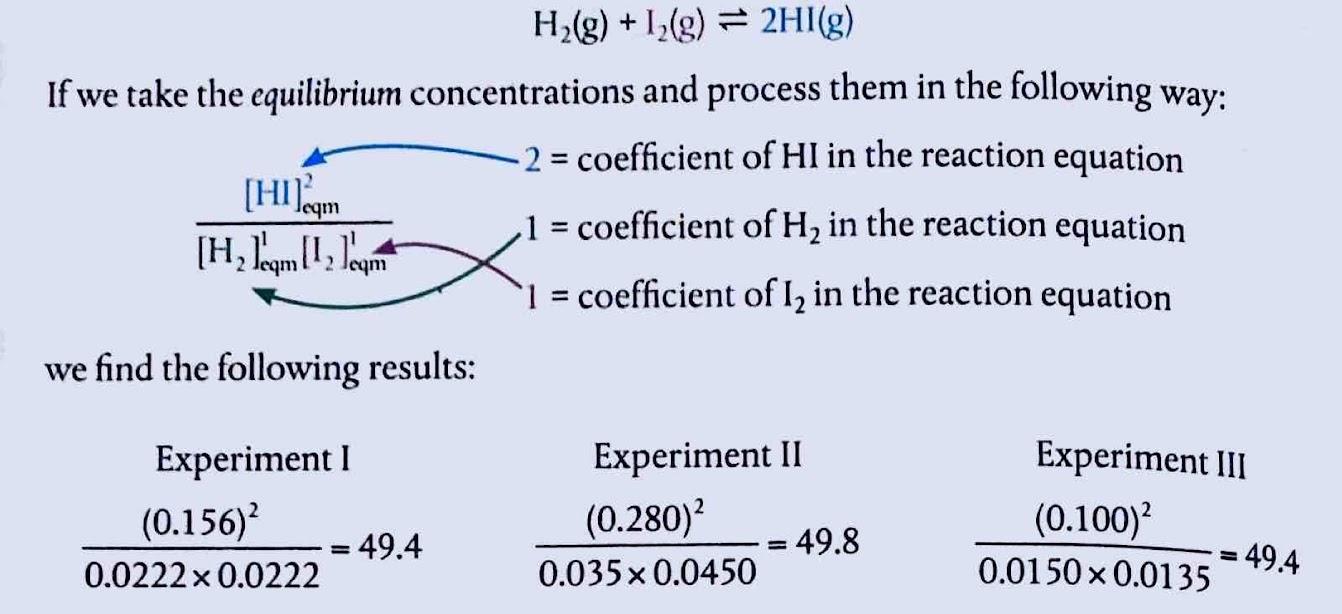
The equilibrium constant, Kc, remains constant at a specific temperature, regardless of the initial concentrations of reactants or products. This means that while the individual equilibrium concentrations may vary depending on starting conditions, their ratio, as defined by the Kc expression, will always yield the same Kc value.
Diagram

Temperature's Influence on Kc

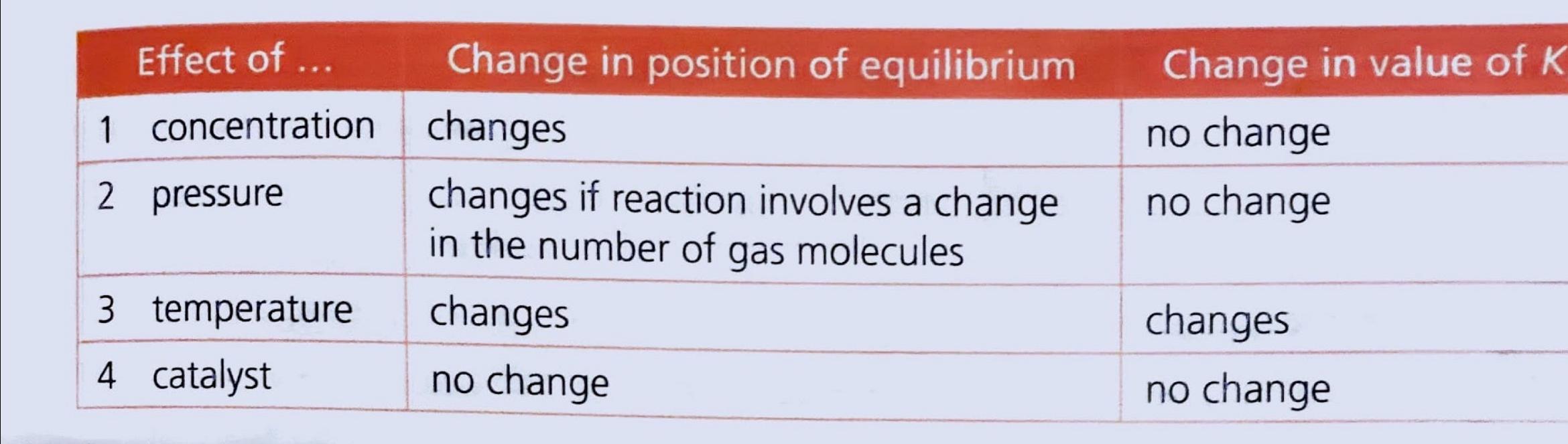
Le Chatelier's Principle explains how changes in conditions affect an equilibrium system. When considering the effect of temperature on Kc, it's important to distinguish between endothermic and exothermic reactions. For an endothermic reaction, increasing the temperature will increase the value of Kc, favoring product formation. Conversely, for an exothermic reaction, increasing the temperature will decrease the value of Kc, favoring reactant formation. This occurs because temperature changes differentially impact the rates of the forward and reverse reactions, as they typically possess different activation energies.
Diagram

Interpreting the Extent of Reaction from Kc

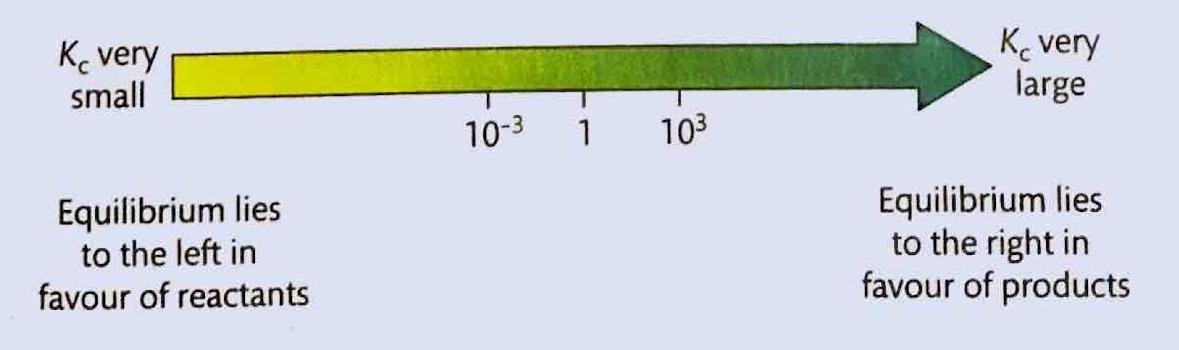
The magnitude of Kc provides valuable insight into the extent to which a reaction proceeds towards products at equilibrium. A very high value of Kc (Kc >> 1) indicates that at equilibrium, the concentration of products is significantly greater than the concentration of reactants. In such cases, the equilibrium is said to lie to the right, favoring product formation. Conversely, a very low value of Kc (Kc << 1) signifies that at equilibrium, the concentration of reactants is much higher than that of products. This means the equilibrium lies to the left, favoring reactants. These differing magnitudes of Kc effectively indicate the varying extents to which different reactions proceed.
Diagram

Understanding the Reaction Quotient (Q)

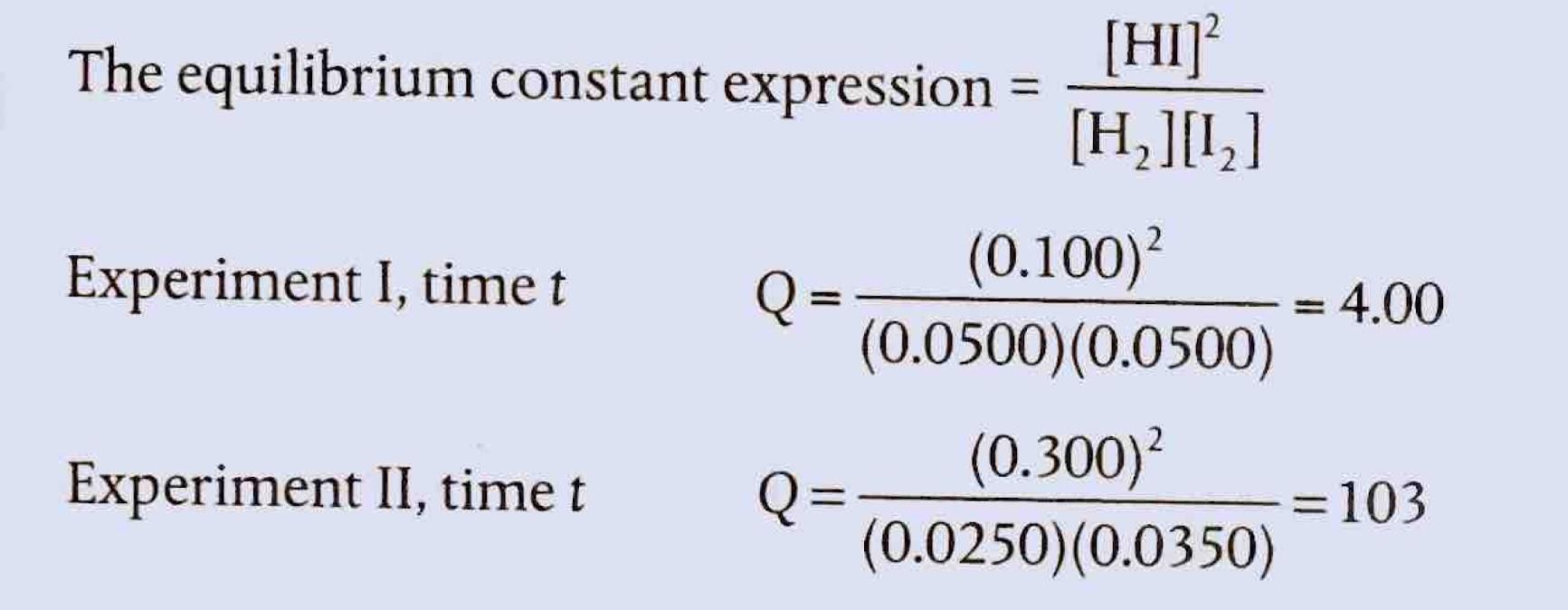
The reaction quotient, Q, is a concept closely related to Kc, but with a crucial distinction: Q expresses the relationship between product and reactant concentrations at any given moment in time, not necessarily at equilibrium. It is calculated using the same mathematical expression as Kc. The value of Q allows us to predict the direction a reaction will shift to reach equilibrium. * If Q < Kc, it means the current ratio of products to reactants is less than the equilibrium ratio. Therefore, the reaction will proceed to the right (towards products) to reach equilibrium. This implies there are fewer products compared to what would be present at equilibrium. * If Q > Kc, it means the current ratio of products to reactants is greater than the equilibrium ratio. Consequently, the reaction will proceed to the left (towards reactants) to reach equilibrium. This indicates there are more products compared to what would be present at equilibrium. * If Q = Kc, the system is already at equilibrium, and no net change in concentrations will occur. As a reaction progresses towards equilibrium, the concentrations of all reacting species change, causing the value of Q to continuously adjust until it equals Kc.

Applying the Reaction Quotient: An Example

Consider the reversible reaction between hydrogen gas and iodine gas to form hydrogen iodide: H2(g) + I2(g) ⇌ 2HI(g) Let's assume the equilibrium constant, Kc, for this reaction at a specific temperature is 49.5.
Diagram
If we calculate the reaction quotient, Q, at a particular non-equilibrium point: * If Q < 49.5, the reaction will proceed to the right, favoring the formation of HI, until Q reaches 49.5. * If Q > 49.5, the reaction will proceed to the left, favoring the formation of H2 and I2, until Q reaches 49.5.

Manipulating Kc for Related Reactions

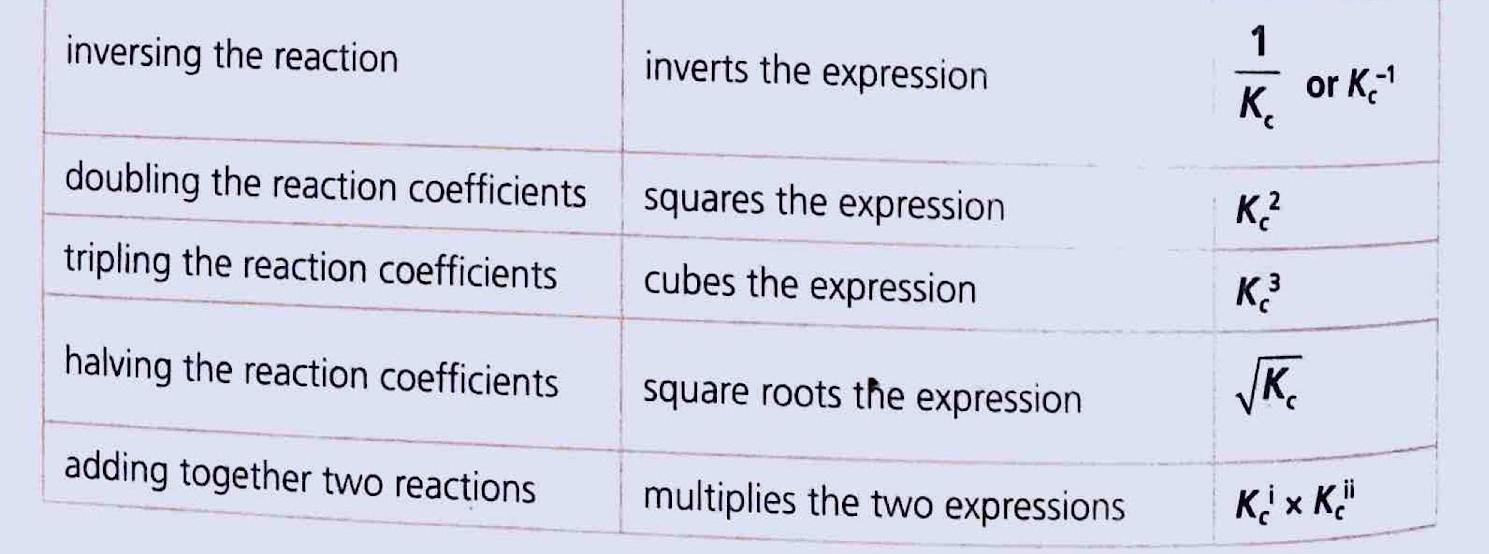
The equilibrium constant for a reaction is intrinsically linked to the stoichiometry and direction of that reaction. If a reaction is reversed, its new equilibrium constant (Kc') is the reciprocal of the original Kc. For example, if the original reaction is: aA + bB ⇌ cC + dD Kc = ([C]c[D]d) / ([A]a[B]b) Then for the reverse reaction: cC + dD ⇌ aA + bB Kc' = ([A]a[B]b) / ([C]c[D]d) = 1 / Kc If the stoichiometric coefficients of a reaction are multiplied by a factor, the new equilibrium constant is the original Kc raised to the power of that factor. For instance, if the coefficients are doubled, the new Kc becomes Kc2. If they are tripled, it becomes Kc3.

Summary of Kc Relationships

The following table summarizes how changes to a chemical equation affect its equilibrium constant expression and the value of Kc:
Change to Chemical Equation Effect on Equilibrium Expression Effect on Kc
Reverse the reaction Invert the expression Kc' = 1/Kc
Multiply coefficients by 'n' Raise the expression to the power of 'n' Kc' = Kcn
Add two or more reactions Multiply their expressions Kc' = Kc1 * Kc2
Diagram

Distinguishing Homogeneous and Heterogeneous Equilibria

Equilibrium systems can be classified based on the physical states of their components. A homogeneous equilibrium is one where all reactants and products exist in the same physical phase, such as all gases or all dissolved species in a solution. In contrast, a heterogeneous equilibrium involves reactants and products in different physical phases, for example, a solid reacting with a gas, or a liquid in equilibrium with its vapor. When writing Kc expressions for heterogeneous equilibria, the concentrations of pure solids and pure liquids are omitted because their concentrations are considered constant and are incorporated into the Kc value itself.
Diagram
Diagram
4
Industrial Applications

Equilibrium and Kinetics in Industrial Processes

In industrial chemical processes, Le Chatelier's Principle serves as a fundamental guide for selecting reaction conditions that maximize the yield of desired products by shifting the equilibrium towards the product side. However, equilibrium considerations alone are insufficient; the rate of reaction is equally critical. A reaction that theoretically yields a high percentage of product but takes an impractically long time to complete is not viable for industrial application. Therefore, the economic feasibility of any industrial process is a delicate balance between achieving a favorable equilibrium position and ensuring an adequate reaction rate.

The Haber Process for Ammonia Synthesis

The Haber process is a prime example of how equilibrium and kinetic principles are applied in industry for the synthesis of ammonia (NH3) from nitrogen (N2) and hydrogen (H2). The balanced chemical equation for this reversible reaction is:

N2(g) + 3H2(g) ⇆ 2NH3(g)

This equation reveals several key characteristics: all reactants and products are in the gaseous state, four moles of gaseous reactants combine to form two moles of gaseous products, and the forward reaction is exothermic, with a standard enthalpy change (ΔH) of -93 kJ mol-1. Conversely, the reverse reaction is endothermic.

To optimize ammonia production, Le Chatelier's Principle is applied to determine the most favorable reaction conditions:

  • Concentration of Reactants: Reactants are typically supplied in a 1:3 molar ratio of nitrogen to hydrogen. To continuously shift the equilibrium to the right and increase ammonia yield, the ammonia product is removed from the reaction mixture as it forms.
  • Pressure: Since the product side of the reaction has fewer moles of gas (2 moles) compared to the reactant side (4 moles), an increase in pressure favors the forward reaction, leading to higher ammonia production. Industrial Haber processes typically operate at high pressures, around 2 x 10⁷ Pa.
  • Temperature: As the forward reaction is exothermic, a low temperature would theoretically favor the formation of products. However, very low temperatures would significantly reduce the reaction rate, making the process economically unfeasible. Therefore, a moderate temperature, typically around 450 °C, is used to achieve a balance between a reasonable reaction rate and a favorable equilibrium position.
  • Catalyst: To compensate for the moderate temperature and accelerate the reaction rate, a catalyst is employed. Historically, iron-based catalysts promoted with aluminum and magnesium oxides were used, while more modern processes may utilize ruthenium-based catalysts. Even with these optimized conditions, only about 10-20% of the reactants are converted to ammonia in a single pass. However, unreacted nitrogen and hydrogen are recycled, leading to an overall yield of approximately 95%.

The Contact Process for Sulfuric Acid Production

The Contact Process is the primary industrial method for producing sulfuric acid (H2SO4), a crucial chemical used in various industries. The process involves several steps:

  1. The initial step is the combustion of sulfur to form sulfur dioxide (SO2).
  2. Next, sulfur dioxide is oxidized to sulfur trioxide (SO3). This is the rate-limiting step and the most critical for equilibrium considerations:
  3. 2SO2(g) + O2(g) ⇆ 2SO3(g)

    This reaction is exothermic, with ΔH = -196 kJ mol-1.

  4. Finally, sulfur trioxide is combined with water to produce sulfuric acid.

The table below summarizes the conditions used to optimize the oxidation of sulfur dioxide to sulfur trioxide:

Influence on reaction Condition used
pressure High pressure favors product formation (products have less molecules than reactants) 2 x 10⁵ Pa
temperature Low temperature favors products (forward reaction is exothermic) 450 °C
catalyst Increases reaction rate Vanadium (V) oxide
Diagram

Industrial Production of Methanol

Methanol (CH3OH) is a versatile chemical with numerous industrial applications, including its use as a chemical feedstock for synthesizing other organic compounds, a laboratory solvent, an antifreeze agent, and a key component in the production of biodiesel from fats. The industrial synthesis of methanol typically involves the reaction of carbon monoxide (CO) with hydrogen (H2):

CO(g) + 2H2(g) ⇆ CH3OH(g)

This reaction is exothermic, with a ΔH of -90 kJ mol-1.

The optimal conditions for methanol production are chosen based on a balance between equilibrium yield and reaction rate, as outlined in the table below:

Influence on reaction Condition used
pressure High pressure favors product formation (products have less molecules than reactants) 5-10 x 106 Pa
temperature Low temperature favors products (forward reaction is exothermic) 250 °C
catalyst Increases reaction rate Cu-ZnO-Al2O3